Blog Details
Common Plumbing Problems and How Quality Pipes Prevent Them
Plumbing problems are among the most common issues faced by homeowners, builders, and commercial property owners. From leaking pipes and frequent blockages to low water pressure, poor plumbing can lead to water wastage, structural damage, and expensive repairs.
In most cases, these problems are caused by low-quality or outdated piping systems rather than improper usage. Choosing high-quality pipes is essential for ensuring long-term performance, safety, and reliability.
1. Pipe Leakage
The Problem
Pipe leakage often goes unnoticed but can cause:
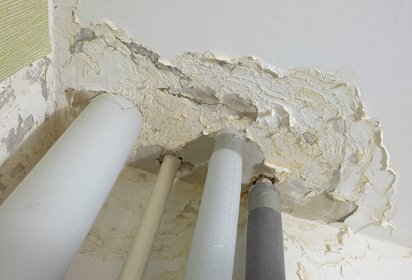
- Damage to walls and floors
- Dampness and mold growth
- Higher water bills
Leaks usually occur due to weak pipe materials, poor-quality joints, improper installation, or corrosion caused by aging pipes.
How Quality Pipes Help
High-quality pipes:
- Have strong and uniform wall thickness
- Use leak-proof jointing systems
- Resist cracking from pressure and temperature changes
This significantly reduces the chances of leakage, joint failure, and recurring repair work, ensuring peace of mind for homeowners and builders alike.
2. Pipe Corrosion
The Problem
Metal and low-grade pipes corrode over time, leading to:
- Rusty water
- Reduced water pressure
- Pipe weakening
How Quality Pipes Help
Modern uPVC and CPVC pipes:
- Are corrosion-resistant
- Do not react with water or chemicals
- Maintain water quality over time
This ensures a clean and safe water supply with a longer lifespan.
3. Frequent Blockages
The Problem
Blocked pipes cause slow drainage, foul odors, and backflow due to:
- Rough internal surfaces
- Incorrect pipe sizing
- Low-quality materials
How Quality Pipes Help
Premium pipes feature:
- Smooth inner surfaces
- Accurate sizing for better flow
- Resistance to scaling and deposits
This results in efficient drainage and fewer blockages.
4. Low Water Pressure
The Problem
Low or uneven water pressure is often caused by:
- Narrow or damaged pipes
- Internal scaling
- Poor-quality piping systems
How Quality Pipes Help
High-quality pipes:
- Maintain internal diameter
- Support smooth and uniform water flow
This ensures consistent water pressure throughout the building.
5. Pipe Damage Due to Temperature Changes
The Problem
Temperature fluctuations can cause pipes to expand or contract, leading to cracks—especially in hot water lines.
How Quality Pipes Help
Quality pipes are designed to:
- Withstand high temperatures
- Handle pressure variations
- Remain stable in different climates
They are suitable for both hot and cold water applications.
Why Choosing Quality Pipes Matters
Using certified, high-quality pipes ensures:
- Safe and hygienic drinking water
- Leak-proof and durable plumbing
- Reliable performance in residential and commercial projects
- Compliance with construction and safety standards
Quality piping is a necessity in modern infrastructure, not just an upgrade.
Conclusion
Most plumbing problems can be prevented by choosing the right pipes from the start. Issues such as leakage, corrosion, blockages, and pressure loss are often the result of poor-quality materials.
Reach Out To Our Support Team?